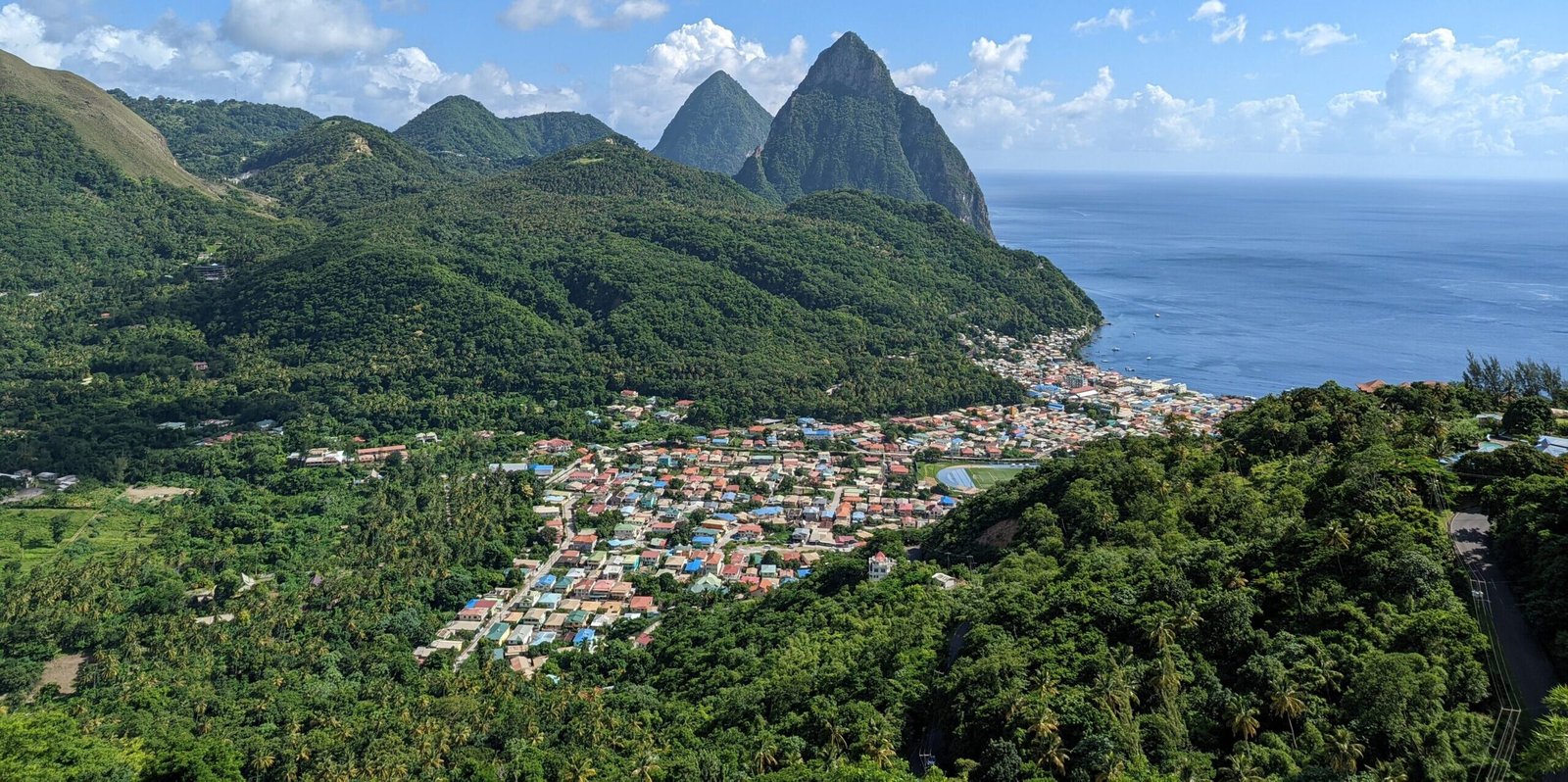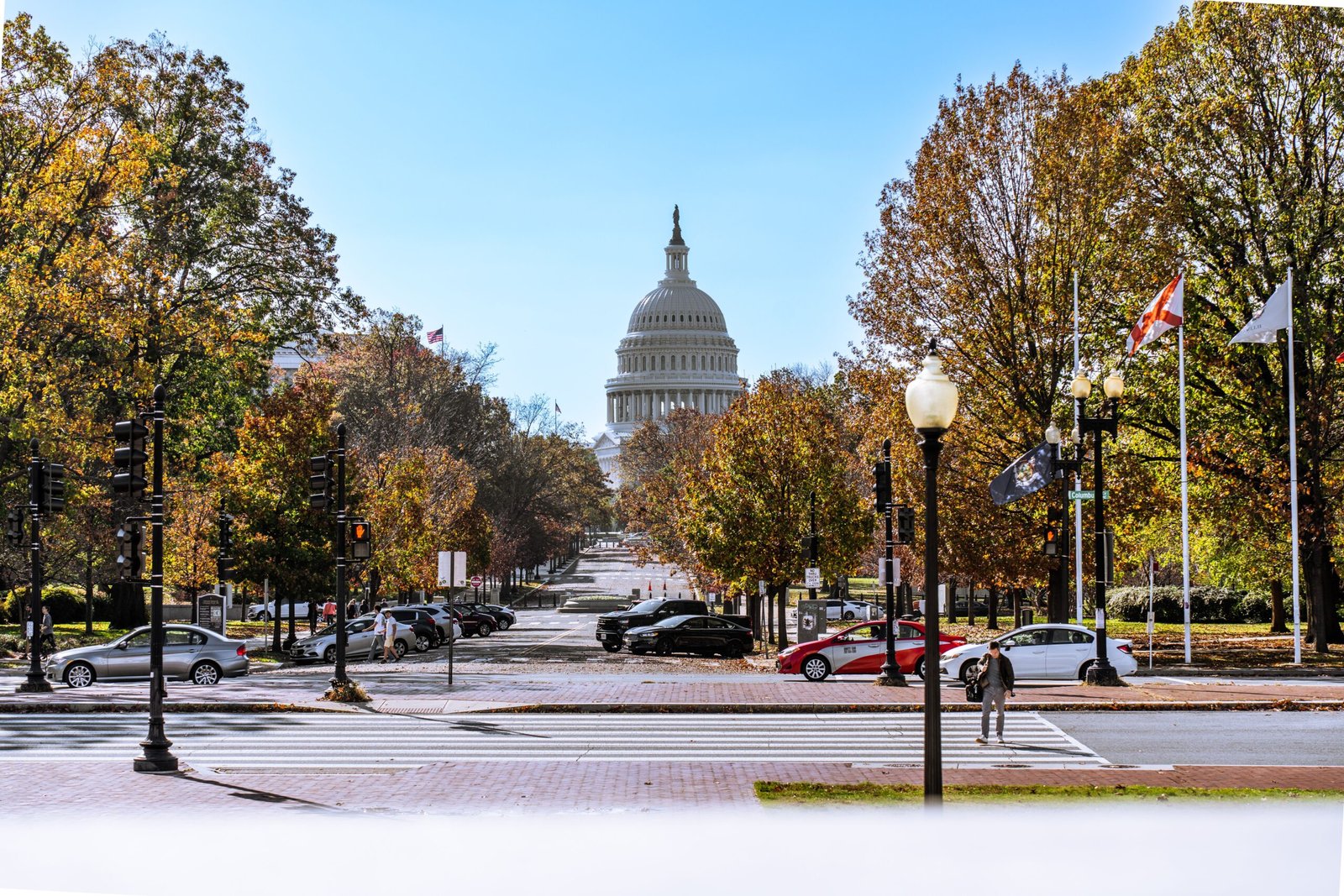

When it comes to international affairs, the Caribbean has always occupied an interesting position. Geographically close to one of the world’s most powerful nations, connected to several continents through history and trade, and made up largely of small states with distinct political and economic interests, the region has spent generations learning how to navigate relationships with countries considerably larger than itself.
These relationships are often shaped by necessity. Caribbean governments often need access to international markets, investment, security cooperation and development financing, while larger countries recognize the region’s importance to trade, migration, energy and international security.
It is against this background that the United States has announced more than US$340 million in funding initiatives following a high-level dialogue with Caribbean leaders in Washington.
The October 15 meeting, hosted by US Deputy Secretary of State Christopher Landau, brought together representatives from 15 Caribbean countries and the Dominican Republic to discuss economic cooperation, investment, energy security and regional challenges.
The announcement comes as Washington seeks to place renewed emphasis on its relationships within the Western Hemisphere. For the Caribbean, the initiative presents potential opportunities, but it also invites a broader conversation about how regional governments approach international partnerships and determine their own development priorities.
The proposed funding covers several areas, with the largest announced allocation of US$175.8 million directed towards an undersea cable program serving the Caribbean and Central America.
Undersea cables are an essential part of modern communications. They carry much of the world’s international internet traffic, connecting countries to the digital networks that support businesses, financial transactions, education and everyday communication.
Although these systems operate largely out of public view, their importance becomes apparent whenever connectivity is disrupted. For island economies increasingly dependent on digital services, reliable international connections are not simply a convenience. They are part of the infrastructure required for economic participation.
Investment in stronger digital connections could therefore benefit Caribbean businesses, improve communications reliability and support the development of technology-driven industries.
The United States also announced US$103 million in security-related funding through the Caribbean Basin Security Initiative. The proposed programs include strengthening the protection of ports and critical infrastructure, addressing illegal fishing, combating transnational criminal organizations and improving regional border security.
Another US$61.5 million is intended for a healthcare workforce initiative aimed at helping Caribbean countries strengthen their ability to recruit and retain medical professionals. The State Department indicated that this program would involve working with Congress, making its eventual implementation dependent on the relevant funding and administrative arrangements.
Taken together, the announced components total approximately US$340 million. However, it is important to distinguish between commitments announced during diplomatic discussions and funds that have already been approved, distributed or used to complete projects.
The real significance of the initiative will ultimately depend on implementation.
Beyond the financial commitments, the meeting offered an indication of how Washington currently views its relationship with the region.
Landau described the Western Hemisphere as a renewed priority for American foreign policy, arguing that the United States had previously devoted insufficient attention to developments in its own neighborhood.
He also emphasized the importance of private-sector investment, suggesting that lasting economic growth would depend on business partnerships rather than government assistance alone.
This approach has important implications for Caribbean governments.
While grants and development assistance can support essential projects, private investment can create longer-term opportunities through employment, infrastructure, technology and business development. However, the benefits of such investment depend on the terms under which projects are negotiated and the extent to which local economies participate.
An international investment agreement may bring capital into a country, but its broader value is influenced by questions such as how many local workers are employed, whether domestic businesses benefit, what environmental protections are maintained and how much of the resulting economic activity remains within the country.
These considerations are especially relevant to smaller Caribbean economies, where a single major investment can have a considerable impact.
I believe this is where the conversation becomes particularly important. International investment should be welcomed for the opportunities it can create, but its success should not be measured by the size of an announcement alone. What matters is whether it contributes to lasting improvements in the communities and economies receiving it.
The dialogue also takes place within a wider international environment in which the Caribbean has attracted growing attention from several global powers.
China has become an important investor and development partner for a number of Caribbean countries, supporting projects involving infrastructure, transportation and other sectors. European governments and international financial institutions also maintain longstanding relationships with the region.
For Caribbean states, engaging with multiple international partners is not necessarily a contradiction. It can be a practical response to development needs and the realities of a global economy.
At the same time, competition between larger powers can place smaller countries in difficult diplomatic positions.
Caribbean governments must consider the economic benefits of international partnerships while remaining attentive to political expectations, national interests and the consequences of becoming too dependent on any single partner.
This is not a new challenge.
Small states have long relied on diplomacy, regional cooperation and international institutions to protect their interests in a world where economic and military power are distributed unevenly.
What has changed is the range of issues now influencing those relationships. Digital infrastructure, energy security, technology, migration and organized crime have become increasingly prominent alongside traditional trade and development concerns.
The Caribbean’s strategic importance is therefore not limited to its geographical location. Its ports, maritime routes, energy resources, digital connections and international relationships all contribute to its significance.
It is also worth noting that the region’s priorities do not always align perfectly with those of its larger partners.
Climate resilience, for example, remains a most pressing concern for Caribbean countries facing hurricanes, flooding, coastal erosion and other environmental risks. Food security, affordable energy and access to development financing are also central to long-term regional stability.
Following the US announcement, former CARICOM official and Jamaican diplomat Byron Blake called for greater attention to climate-resilient infrastructure, food security and broader healthcare training.
His concerns raise a reasonable question: how closely do international funding programs reflect the priorities identified by Caribbean governments themselves?
The answer may vary from one initiative to another. Digital connectivity and security cooperation can certainly support regional development, but they do not eliminate the need for investment in other areas.
A successful partnership requires room for both sides to identify shared interests while recognizing that their priorities may differ.
There is also an important regional dimension to the discussions.
Caribbean countries often negotiate international agreements individually, reflecting their different economic circumstances, political priorities and development needs. Yet many of the challenges addressed during the Washington dialogue extend beyond national borders.
Transnational crime, maritime security, digital connectivity and the movement of goods and people cannot always be managed effectively by one country acting alone.
CARICOM and other regional institutions therefore have a role in helping governments coordinate positions, share expertise and identify opportunities for cooperation.
Speaking at the dialogue, Saint Lucia Prime Minister and CARICOM Chairman Philip J. Pierre emphasized the historical connections between the Caribbean and the United States, while presenting the region as a stable partner open to investment.
His participation reflected the importance of maintaining constructive relations while ensuring that Caribbean perspectives remain part of the discussion.
Looking ahead, Washington has indicated that it intends to host a Caribbean Investment Summit in early 2027, bringing together American companies, financial institutions and regional representatives to explore commercial opportunities.
That meeting could provide a clearer indication of how the current commitments may develop into practical projects.
For now, several questions remain.
Which countries and communities will benefit from the proposed investments? How will projects be selected? What conditions will accompany the funding? And how will progress be measured?
These are questions worth following, not because the initiative should be viewed with suspicion, but because public accountability is an essential part of meaningful development cooperation.
The Caribbean has much to gain from productive relationships with the United States and other international partners.
But the region also has much to contribute.
Its geographical position, economic potential, skilled workforce, natural resources and international connections make it more than a passive recipient of foreign assistance. Caribbean countries are partners with their own priorities, responsibilities and ambitions.
Perhaps that is the most important perspective to maintain as international attention towards the region evolves.
The announcement of more than US$340 million in funding initiatives is a significant diplomatic development, but it is only the beginning of a longer process.
The measure of success will be found in whether these partnerships produce stronger institutions, sustainable economic opportunities and improvements that Caribbean communities can recognize in their everyday lives.
And as the region continues navigating its place in a changing world, its greatest diplomatic advantage may lie in approaching international partnerships not simply as opportunities to receive assistance, but as opportunities to shape its own future.