
Millions of people dream about visiting the Caribbean.
The beaches we sometimes take for granted appear on magazine covers and travel advertisements around the world. Our music, food and culture inspire journeys across oceans, while the warmth of Caribbean hospitality has become one of the region’s most recognizable qualities.
And I must admit, there is a certain pride in knowing that people are willing to travel thousands of miles to experience a little of what we call home.
Tourism has helped build businesses, create employment and introduce the Caribbean to generations of international travelers. For many families, the industry has provided opportunities that might otherwise have been difficult to find.
But lately, I have been thinking about the way we measure its success.
We celebrate record arrivals, announce new hotel developments and proudly report increases in visitor spending. These are important indicators, particularly for economies where tourism plays such a significant role. But I sometimes wonder whether we have become so accustomed to measuring the number of people arriving in the Caribbean that we spend too little time asking what their arrival means for the people already here.
Because a destination can become more popular without necessarily becoming more prosperous for everyone who lives there.
The Numbers Are Encouraging
According to figures reported by the Caribbean Tourism Organization (CTO), the region welcomed approximately 18.9 million international stayover visitors during the first six months of 2026, representing an increase of 1.9 percent compared with the corresponding period in 2025.
Cruise tourism experienced stronger growth, with approximately 21.7 million passenger visits recorded during the same period, an increase of around 11 percent.
These figures point to continued international demand for Caribbean destinations, even as the global travel industry navigates economic uncertainty and changing consumer preferences.
But the difference between stayover arrivals and cruise passenger visits is worth understanding, particularly when considering the industry’s wider economic impact.
A stayover visitor may spend several nights at a hotel, eat at local restaurants, book excursions and use transportation services throughout their visit. Cruise passengers, by comparison, generally spend a shorter period ashore, and their spending patterns can differ considerably depending on the destination and the experiences available.
Neither category tells us, by itself, how much money remains within a local economy.
That requires a closer examination of visitor expenditure, business ownership, employment, wages, supply chains and the amount of tourism revenue that ultimately circulates within communities.
In my opinion, those figures deserve at least as much attention as the arrival statistics.
Who Really Benefits When Tourism Booms?
Imagine a small coastal community where a new luxury resort opens.
The development may bring construction jobs, permanent employment and new opportunities for local suppliers. Nearby businesses could benefit from increased activity, while improvements to roads and public services might serve residents as well as visitors.
These are meaningful benefits, and it would be unfair to dismiss them.
But the economic impact of a development depends heavily on how it operates.
If a hotel purchases most of its food and supplies from overseas, uses relatively few local service providers and directs a substantial share of its profits outside the country, the surrounding community may receive a smaller portion of the financial benefits than the property’s popularity would suggest.
Economists often describe this as tourism leakage, a term referring to money generated by tourism that does not remain within the destination economy.
Some leakage is unavoidable, particularly in small island states that depend on imported goods and services. The important question is whether countries are taking practical steps to strengthen the connections between tourism and domestic businesses.
A hotel that purchases produce from local farmers, commissions work from Caribbean artists or partners with independent tour operators can help spread the economic benefits of tourism beyond its own property.
The same principle applies to restaurants, transportation providers, cultural attractions and small businesses offering visitors an authentic introduction to island life.
I would love to see a future in which the success of a major tourism development is measured partly by the number of local enterprises it helps to sustain.
Not because every business must be locally owned, but because a healthy tourism economy should create opportunities for people beyond those directly employed by the largest operators.
The People Behind the Hospitality
Caribbean hospitality is frequently described as one of our greatest assets, and rightly so.
But there is a tendency to speak about hospitality as though it were simply a natural characteristic of the people who live here, rather than something that also requires skill, professionalism and considerable effort.
Take for instance, the hotel receptionist who handles a difficult situation with patience or the housekeeper preparing rooms to an exacting standard. Their work deserves recognition, fair compensation and opportunities for professional advancement.
When tourism grows, I believe we should be asking whether the people supporting that growth are experiencing meaningful improvements in their own lives.
Are wages keeping pace with the cost of living? Can employees access training that allows them to move into management and leadership positions? Are working conditions improving as businesses become more profitable?
These questions are particularly important in communities where tourism employment is seasonal or where workers have limited alternatives.
Of course, the answers will differ across destinations and individual businesses. The Caribbean is not one uniform tourism economy, and it would be misleading to suggest that every country faces the same circumstances.
Nevertheless, employment quality should be part of the conversation whenever we discuss tourism performance.
A growing industry is certainly encouraging, but growth becomes more meaningful when the people responsible for delivering its success are able to share in the rewards.
The Caribbean Is More Than a Destination
There is another side to tourism development that I think deserves greater attention, particularly as destinations compete for investment and visitor spending.
The Caribbean is not simply a collection of beautiful places available for international enjoyment.
It is home.
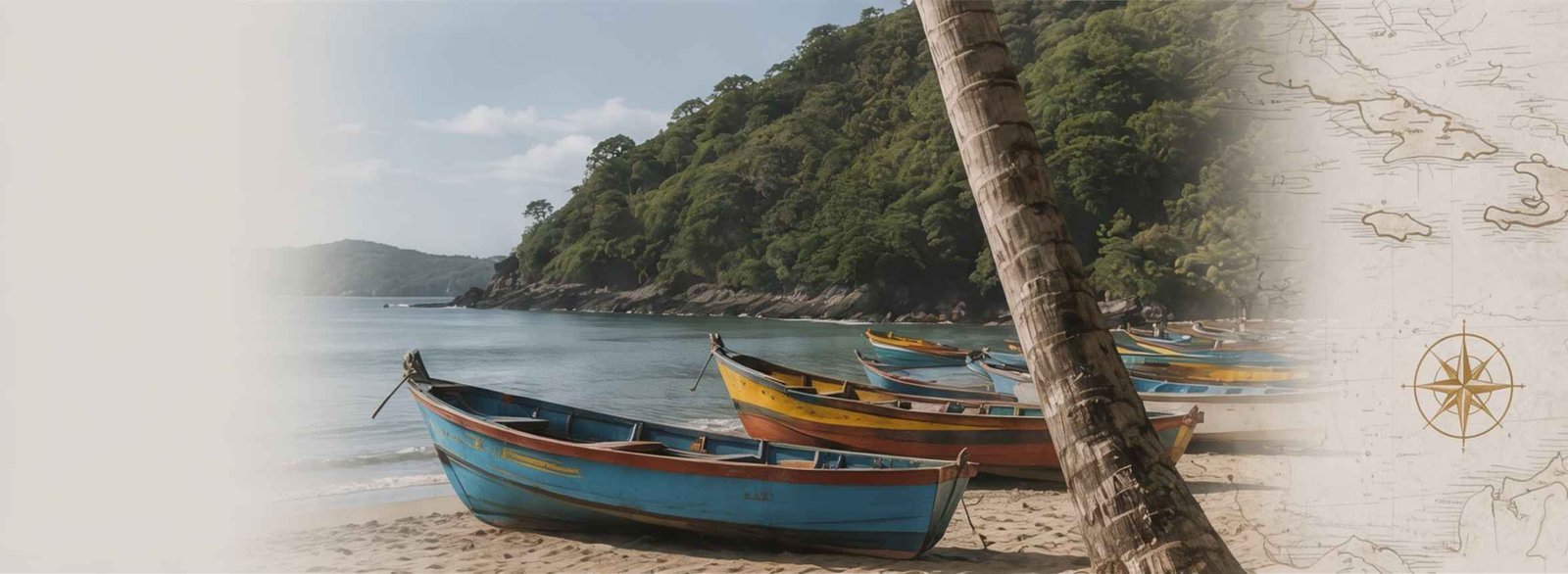
Our beaches are places where families gather to watch their children learn to swim, where impromptu games of football and cricket unfold along the shoreline, and communities come together to celebrate life’s important occasions.
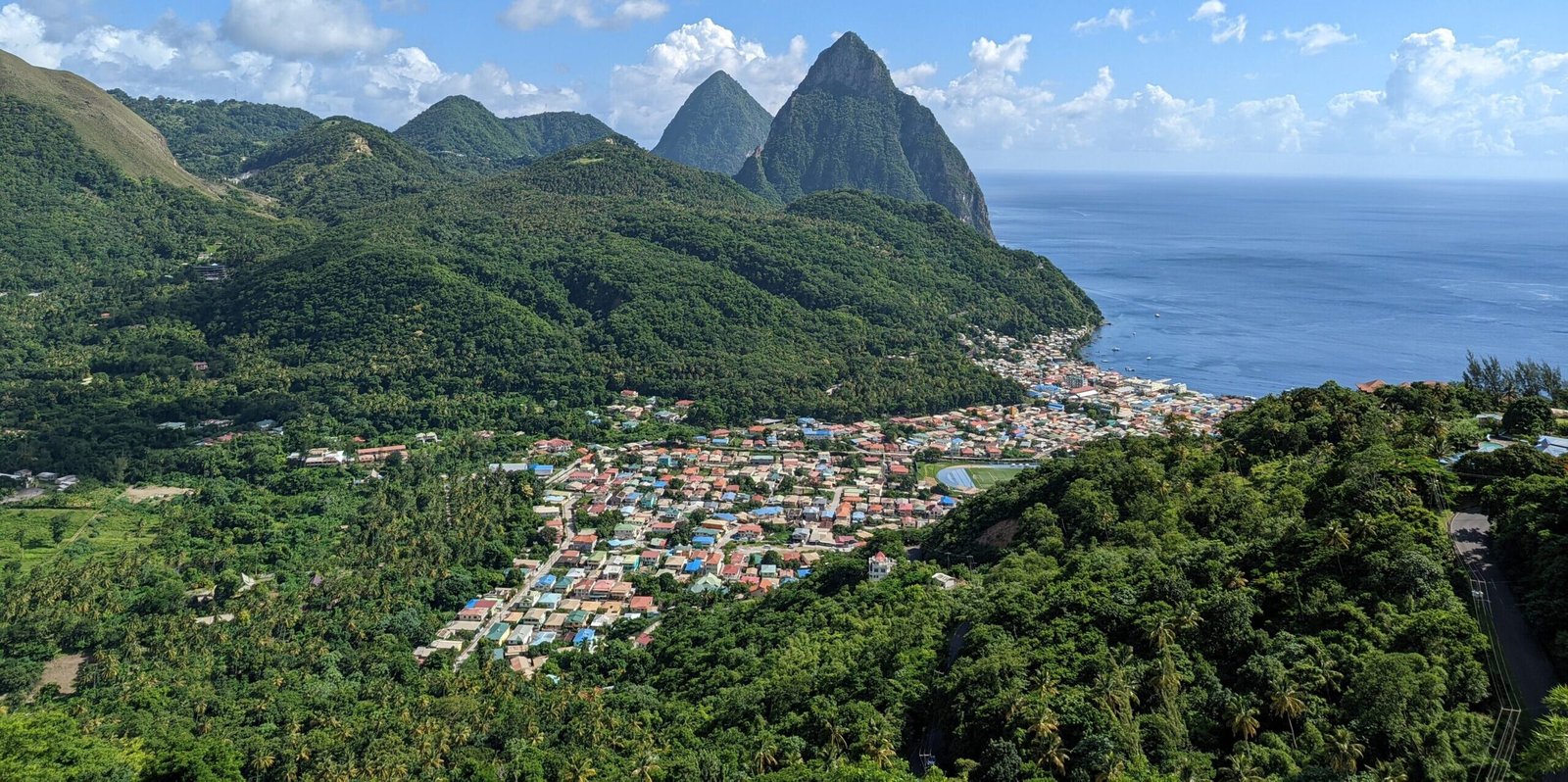
Beyond the beaches, our towns and villages are living, breathing communities, shaped by generations of history, culture and the everyday experiences of the people who call them home.
Tourism can enrich these places, but poorly managed development can also place pressure on infrastructure, natural resources and access to public spaces.
When a popular coastal area becomes increasingly expensive, residents may find themselves competing with visitors and investors for housing, services and amenities.
The expansion of short-term holiday rentals, for example, has raised concerns in some tourism destinations internationally about housing affordability and availability. Whether similar pressures are occurring in a particular Caribbean community should be assessed using local evidence rather than assumed.
Environmental sustainability presents another challenge.
The natural landscapes that attract visitors are also essential to the wellbeing of the people who live here. Healthy reefs, clean beaches, reliable water supplies and resilient coastal environments support communities as well as tourism businesses.
Protecting these resources is therefore not simply a matter of preserving the visitor experience.
It is about safeguarding the places Caribbean people depend upon long after the holiday season ends.
Perhaps We Need a Different Measure of Success
I am not suggesting that the Caribbean should stop pursuing tourism growth or become less welcoming to visitors.
Quite the opposite.
Tourism remains an important source of economic activity, international connection and cultural exchange, and there is considerable potential for the industry to continue evolving in ways that benefit the region.
But I believe our ambitions should extend beyond attracting ever-larger numbers of people.
What would happen if we placed greater emphasis on how tourism revenue moves through our economies, how local businesses participate in the industry and whether communities experience lasting improvements?
We might discover that a destination attracting fewer visitors but generating stronger local economic benefits is performing exceptionally well.
We might also find that investing in public spaces, workforce development, cultural preservation and environmental protection improves the visitor experience while making everyday life better for residents.
These goals do not have to compete with one another.
In fact, I would argue that the Caribbean’s long-term tourism success depends on recognising how closely they are connected.
Visitors are drawn to our landscapes, certainly, but also to the cultures and communities that give each destination its identity.
A Caribbean where local businesses thrive, traditions remain vibrant and residents feel a genuine sense of belonging is likely to offer a richer experience than one where tourism development gradually separates visitors from the societies they have travelled to discover.
A Future Worth Celebrating
I hope Caribbean tourism continues to succeed.
I hope more people discover the extraordinary diversity of our islands and coastal communities, and that the industry creates new opportunities for entrepreneurs, artists, farmers, hospitality professionals and young people imagining their futures.
But I also hope we become more curious about what success actually looks like.
A rising visitor count is encouraging, but it is not the whole story.
The real achievement would be a tourism industry that strengthens the places it depends upon, supports the people who sustain it and leaves communities better positioned for the future.
Perhaps, alongside the next announcement celebrating another million visitors, we could also celebrate the number of local businesses that have grown, the workers who have advanced in their careers and the communities that have benefited from thoughtful investment.
Because the Caribbean should never have to choose between being a wonderful place to visit and being a wonderful place to live.
Surely, the greatest measure of our success would be becoming both.