
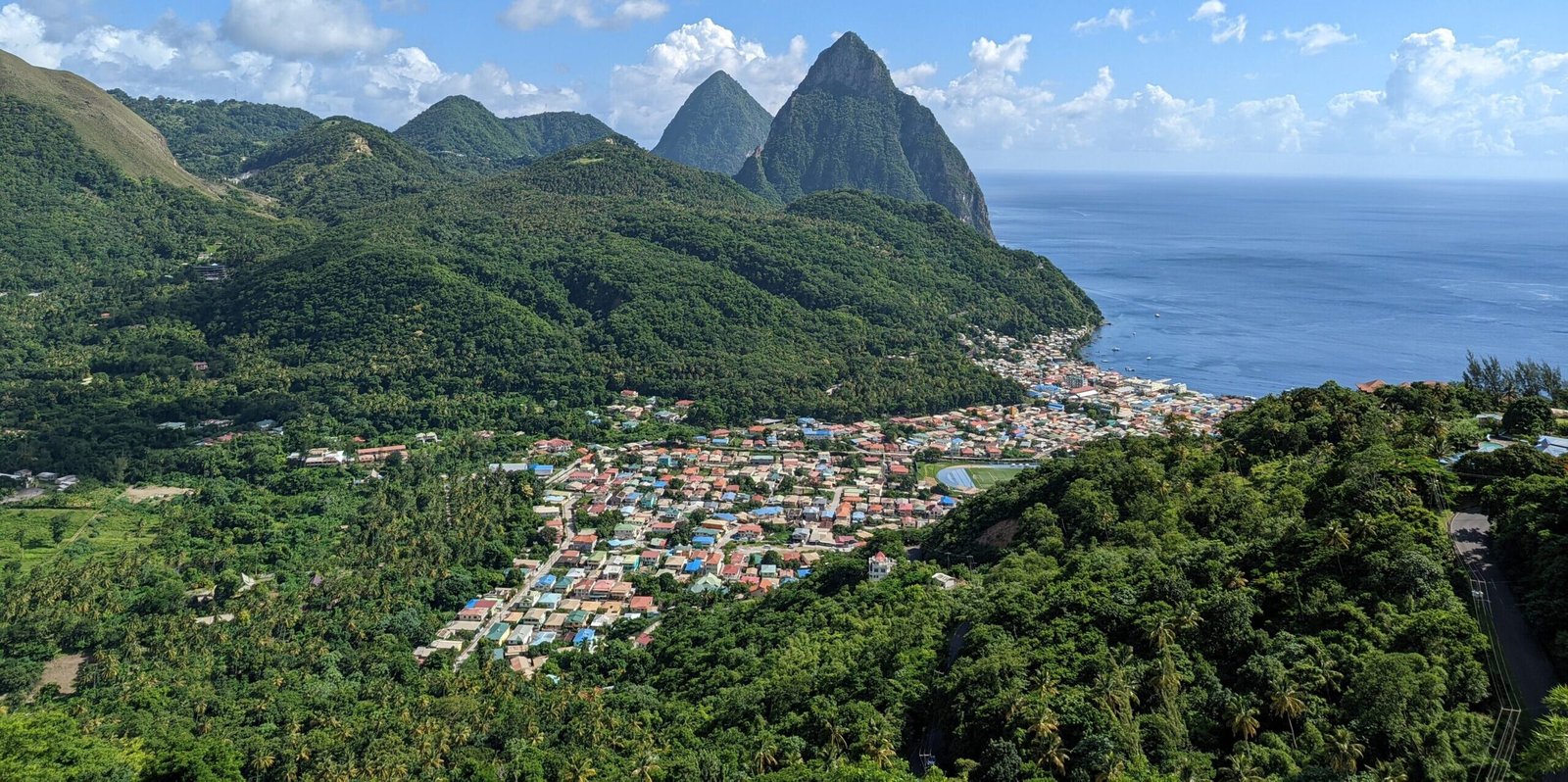
There is a particular image of the Caribbean that the rest of the world seems to adore.
Hammocks swinging gently between two coconut trees while the ocean sparkles in the afternoon sunlight. A cold drink in hand, perhaps a little music drifting through the air, and absolutely nowhere important to be.
It’s a lovely picture.
And to be fair, on a good Sunday afternoon, it might even be accurate.
But Monday morning usually tells a different story.
There are children to get ready for school, traffic to sit through, bills to pay, businesses to keep afloat and ageing parents who need a little more help than they used to. There are jobs that demand too much, salaries that stretch too little, and the occasional family disagreement that could raise anybody’s blood pressure.
Caribbean people may live in paradise, but we are not exempt from the pressures of being human.
And sometimes, those pressures deserve more attention than we give them.
Caribbean Hypertension, Stress and Public Health Challenges
“I Good, Man. I Don’t Need No Doctor.”
If you’ve grown up in the Caribbean, chances are you’ve heard some version of this declaration.
“I not going no hospital. I good.”
Or perhaps the equally familiar, “Is just a little headache. It go pass.”
We say these things with such conviction that one might almost believe the body told us it has agreed to cooperate.
Of course, not every Caribbean household approaches healthcare this way. Many people take their health seriously, attend regular appointments and follow medical advice. But a reluctance to seek attention until something feels seriously wrong is a familiar attitude in some communities.
And when it comes to high blood pressure, waiting until something feels wrong can be a dangerous gamble.
Hypertension, as it is medically known, often develops without noticeable symptoms. A person can feel perfectly normal while their blood pressure remains high enough to increase their risk of heart disease, stroke and kidney damage.
In other words, feeling good and being healthy are not always the same thing.
The Numbers Behind the Smiles
In October 2026, the Pan American Health Organization (PAHO) highlighted findings from a health survey in the Cayman Islands.
The results suggested that nearly three in ten adults were living with hypertension. Among those affected, only 27.2 percent had been diagnosed and were successfully managing the condition with medication.
It is a concerning picture, particularly because high blood pressure is both detectable and, in many cases, manageable with appropriate care.
The Cayman Islands is not alone in facing this challenge.
According to World Health Organization estimates, approximately 46 percent of adults aged 30 to 79 in Trinidad and Tobago were living with hypertension in 2024. Only around 24 percent of those affected had their blood pressure under control.
These figures are estimates rather than a headcount of every individual, but they offer an important indication of the scale of the problem.
These statistics are not simply numbers; they deserve a little more humanity. There is a temptation to forget but behind every percentage is a person with a name, a family and a life of their own. Someone raising children, caring for an elderly parent, running a business or working long hours to make ends meet. Someone with plans for next Christmas, a birthday to celebrate, a favourite meal and people who would miss them terribly.
When we speak about hypertension, we are not simply discussing figures in a health report. We are speaking about our neighbours, our friends and the people we love.
Sometimes, we are speaking about ourselves.
A Little Less Salt, A Little More Sense
Now, this is usually the part of a health conversation where somebody starts blaming the food.
And Caribbean people take their food seriously.
Nobody wants to hear that their grandmother’s Sunday lunch is suddenly under investigation.
But caring for our health does not mean abandoning our culinary traditions or pretending that a plate of food is the sole reason someone develops hypertension.
Age, family history and other medical factors can contribute to high blood pressure. Diets high in sodium, physical inactivity, tobacco use and excessive alcohol consumption can also increase risk. Stress deserves attention too, even everyday stress can temporarily raise blood pressure and can contribute to illness when combined with lifestyle habits that affect long-term health, including poor sleep and alcohol consumption.
And despite our reputation for taking life easy, Caribbean people know a thing or two about stress.
We have all encountered shopkeepers wondering whether sales will cover next month’s rent, nurses finishing another demanding shift, and mothers calculating how to meet the next round of school expenses.
And the Caribbean is certainly no stranger to young professionals trying to build a future of their own while helping to support the families who raised them.
The scenery may be beautiful, but life can still be difficult.
Taking better care of ourselves can begin with manageable changes: using a little less salt, enjoying more fruits and vegetables, moving our bodies regularly, making time for rest and destressing and taking prescribed medication as directed.
No grand reinvention required.
And yes, there is still room for you beautiful Sunday lunch.
We Need to Stop Waiting for a Scare
There is something about a health scare that can suddenly make us very cooperative.
The same person who couldn’t find time for a check-up last month may become remarkably punctual with medical appointments after an unexpected trip to the emergency department.
But wouldn’t it be better to act before things reach that point?
One of the most encouraging aspects of the hypertension conversation is that there are practical ways to improve outcomes.
Across the Americas, PAHO’s HEARTS initiative is helping healthcare systems strengthen cardiovascular care through better screening, consistent treatment approaches and improved follow-up. Just as in our coverage of Caribbean artificial intelligence and innovation, structural and community initiatives play a vital role in regional progress.
In Trinidad and Tobago, participating primary healthcare facilities have reported improvements in blood pressure control under the programme.
These efforts are tremendously because individual determination can only go so far without accessible healthcare, affordable medication and reliable follow-up services.
A person cannot consistently manage a condition if getting treatment means choosing between medication and groceries.
Health is a personal responsibility, certainly, but it is also a community and public-policy concern.
Governments, employers, healthcare professionals and families all have roles to play in making preventive care easier to access.
For international guidelines on cardiovascular disease prevention and health monitoring, you can consult resources from the World Health Organization.
Paradise Is Better When We’re Here to Enjoy It
Perhaps the Caribbean’s greatest gift is not simply its beautiful landscapes, but the way life is shared.
We live in a part of the world where neighbours still check on one another, where laughter somehow finds its way into even the most ordinary gatherings, and where the air is sweet with a familiar, homely fragrance in the breeze drifting inland from the sea.
If you’ve ever had an auntie insist you haven’t eaten enough, or a friend call just to make sure you reached home safely, you’ll understand.
These are the little things that make life here so rich.
And these are also good reasons to take our health seriously.
So the next time somebody says, “I good, man,” perhaps the response should be a gentle, “Good. When last you check your pressure?”
Not every headache is hypertension, and not everyone with hypertension has a headache. That is exactly why checking is best.
A blood pressure reading takes only a few minutes. If it is high, a healthcare professional can advise whether repeat measurements, further assessment or treatment are needed.
We cannot prevent every illness, and good health is never guaranteed. But we can give ourselves a better chance by paying attention before our bodies demand it.
It would be a shame to spend so much time taking care of everything and everyone else that we forget to take care of ourselves.
There is a particular image of the Caribbean that the rest of the world seems to adore, yet conversations surrounding Caribbean hypertension, everyday stress, and regional health are becoming increasingly crucial.
Hammocks swinging gently between two coconut trees while the ocean sparkles in the afternoon sunlight. A cold drink in hand, perhaps a little music drifting through the air, and absolutely nowhere important to be.
It’s a lovely picture.
And to be fair, on a good Sunday afternoon, it might even be accurate.
But Monday morning usually tells a different story.
There are children to get ready for school, traffic to sit through, bills to pay, businesses to keep afloat and ageing parents who need a little more help than they used to. There are jobs that demand too much, salaries that stretch too little, and the occasional family disagreement that could raise anybody’s blood pressure.
Caribbean people may live in paradise, but we are not exempt from the pressures of being human.
And sometimes, those pressures deserve more attention than we give them.
Caribbean Hypertension, Stress and Public Health Challenges
“I Good, Man. I Don’t Need No Doctor.”
If you’ve grown up in the Caribbean, chances are you’ve heard some version of this declaration.
“I not going no hospital. I good.”
Or perhaps the equally familiar, “Is just a little headache. It go pass.”
We say these things with such conviction that one might almost believe the body told us it has agreed to cooperate.
Of course, not every Caribbean household approaches healthcare this way. Many people take their health seriously, attend regular appointments and follow medical advice. But a reluctance to seek attention until something feels seriously wrong is a familiar attitude in some communities.
And when it comes to high blood pressure, waiting until something feels wrong can be a dangerous gamble.
Hypertension, as it is medically known, often develops without noticeable symptoms. A person can feel perfectly normal while their blood pressure remains high enough to increase their risk of heart disease, stroke and kidney damage.
In other words, feeling good and being healthy are not always the same thing.
The Numbers Behind the Smiles
In October 2026, the Pan American Health Organization (PAHO) highlighted findings from a health survey in the Cayman Islands.
The results suggested that nearly three in ten adults were living with hypertension. Among those affected, only 27.2 percent had been diagnosed and were successfully managing the condition with medication.
It is a concerning picture, particularly because high blood pressure is both detectable and, in many cases, manageable with appropriate care.
The Cayman Islands is not alone in facing this challenge.
According to World Health Organization estimates, approximately 46 percent of adults aged 30 to 79 in Trinidad and Tobago were living with hypertension in 2024. Only around 24 percent of those affected had their blood pressure under control.
These figures are estimates rather than a headcount of every individual, but they offer an important indication of the scale of the problem.
These statistics are not simply numbers; they deserve a little more humanity. There is a temptation to forget but behind every percentage is a person with a name, a family and a life of their own. Someone raising children, caring for an elderly parent, running a business or working long hours to make ends meet. Someone with plans for next Christmas, a birthday to celebrate, a favourite meal and people who would miss them terribly.
When we speak about hypertension, we are not simply discussing figures in a health report. We are speaking about our neighbours, our friends and the people we love.
Sometimes, we are speaking about ourselves.
A Little Less Salt, A Little More Sense
Now, this is usually the part of a health conversation where somebody starts blaming the food.
And Caribbean people take their food seriously.
Nobody wants to hear that their grandmother’s Sunday lunch is suddenly under investigation.
But caring for our health does not mean abandoning our culinary traditions or pretending that a plate of food is the sole reason someone develops hypertension.
Age, family history and other medical factors can contribute to high blood pressure. Diets high in sodium, physical inactivity, tobacco use and excessive alcohol consumption can also increase risk. Stress deserves attention too, even everyday stress can temporarily raise blood pressure and can contribute to illness when combined with lifestyle habits that affect long-term health, including poor sleep and alcohol consumption.
And despite our reputation for taking life easy, Caribbean people know a thing or two about stress.
We have all encountered shopkeepers wondering whether sales will cover next month’s rent, nurses finishing another demanding shift, and mothers calculating how to meet the next round of school expenses.
And the Caribbean is certainly no stranger to young professionals trying to build a future of their own while helping to support the families who raised them.
The scenery may be beautiful, but life can still be difficult.
Taking better care of ourselves can begin with manageable changes: using a little less salt, enjoying more fruits and vegetables, moving our bodies regularly, making time for rest and destressing and taking prescribed medication as directed.
No grand reinvention required.
And yes, there is still room for you beautiful Sunday lunch.
We Need to Stop Waiting for a Scare
There is something about a health scare that can suddenly make us very cooperative.
The same person who couldn’t find time for a check-up last month may become remarkably punctual with medical appointments after an unexpected trip to the emergency department.
But wouldn’t it be better to act before things reach that point?
One of the most encouraging aspects of the hypertension conversation is that there are practical ways to improve outcomes.
Across the Americas, PAHO’s HEARTS initiative is helping healthcare systems strengthen cardiovascular care through better screening, consistent treatment approaches and improved follow-up. Just as in our coverage of Caribbean artificial intelligence and innovation, structural and community initiatives play a vital role in regional progress.
In Trinidad and Tobago, participating primary healthcare facilities have reported improvements in blood pressure control under the programme.
These efforts are tremendously because individual determination can only go so far without accessible healthcare, affordable medication and reliable follow-up services.
A person cannot consistently manage a condition if getting treatment means choosing between medication and groceries.
Health is a personal responsibility, certainly, but it is also a community and public-policy concern.
Governments, employers, healthcare professionals and families all have roles to play in making preventive care easier to access.
For international guidelines on cardiovascular disease prevention and health monitoring, you can consult resources from the World Health Organization.
Paradise Is Better When We’re Here to Enjoy It
Perhaps the Caribbean’s greatest gift is not simply its beautiful landscapes, but the way life is shared.
We live in a part of the world where neighbours still check on one another, where laughter somehow finds its way into even the most ordinary gatherings, and where the air is sweet with a familiar, homely fragrance in the breeze drifting inland from the sea.
If you’ve ever had an auntie insist you haven’t eaten enough, or a friend call just to make sure you reached home safely, you’ll understand.
These are the little things that make life here so rich.
And these are also good reasons to take our health seriously.
So the next time somebody says, “I good, man,” perhaps the response should be a gentle, “Good. When last you check your pressure?”
Not every headache is hypertension, and not everyone with hypertension has a headache. That is exactly why checking is best.
A blood pressure reading takes only a few minutes. If it is high, a healthcare professional can advise whether repeat measurements, further assessment or treatment are needed.
We cannot prevent every illness, and good health is never guaranteed. But we can give ourselves a better chance by paying attention before our bodies demand it.
It would be a shame to spend so much time taking care of everything and everyone else that we forget to take care of ourselves.



One Response