
The first thing I noticed was not the sea. Which felt almost absurd considering I was standing in Saint Lucia, where authentic Saint Lucia & Caribbean travel reveals a depth far beyond postcard scenery.
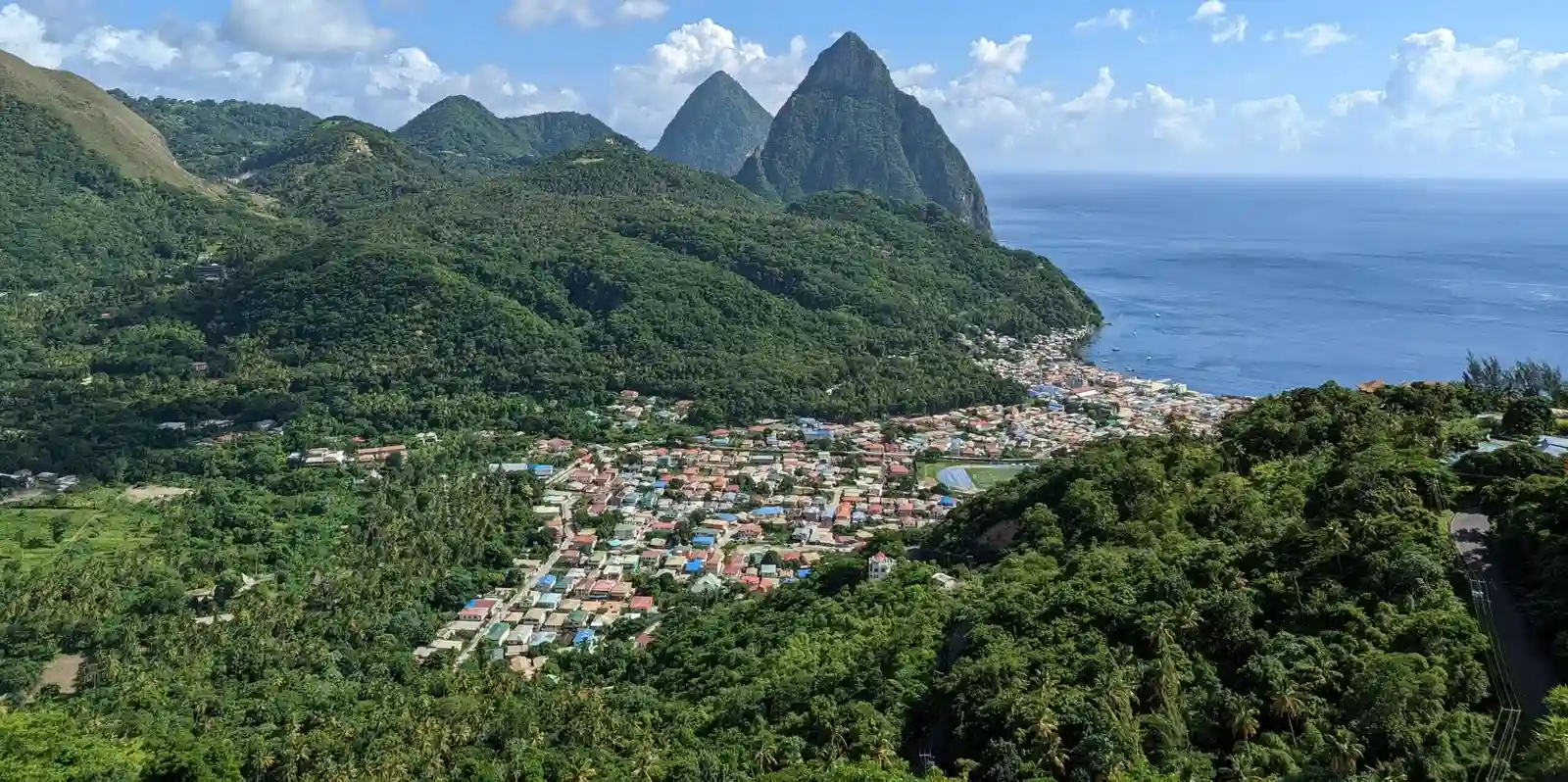
Around me, the island unfolded exactly as my mind envisioned. The Caribbean Sea shimmered beneath the afternoon sun. Palm trees leaned lazily toward the shoreline. The distant silhouette of the Pitons rose dramatically from the landscape like something imagined rather than real.
It was beautiful.
Undeniably so.
But it was not what held my attention.
Instead, I let myself drift further inland, away from the carefully curated images that have come to define the Caribbean in the global imagination.
Away from the resorts.
Away from the infinity pools.
Away from the version of the region constantly photographed.
The Saint Lucia I found there was entirely different.
The streets of Castries moved with a rhythm that belonged to the people who lived there rather than travelers passing through. Music drifted through open doorways. Vendors called out from market stalls overflowing with spices, fruit, handmade crafts, and vegetables whose names carried generations of history. The scent of cocoa, cinnamon, and salt lingered in the warm air. Somewhere nearby, a radio played softly while conversations unfolded in both English and Kwéyòl, the French Creole language woven deeply into the island’s identity.
I slowed my pace to soak it in. All of its flavor and richness.
Travel has taught me that places reveal themselves differently when you start treating them less like destinations and begin experiencing them as if they are alive… because they are.
And Saint Lucia felt deeply alive. I could absolutely feel her heartbeat.
Saint Lucia & Caribbean Travel Beyond Island Beaches
The beaches, stunning as they are, are not all of what makes this region so captivating.
It’s the people.
It’s the raw culture.
It’s the countless details that rarely make their way into travel brochures.
As I walked through, the Castries Market invited me to experience it less like a tourist attraction and more like a living archive.
Women arranged produce with the kind of effortless precision that only comes from years of repetition. Pyramids of mangoes glowed gold and red beneath the afternoon light. Baskets overflowed with breadfruit, plantains, herbs, and spices whose fragrances reached visitors long before their names were spoken.
Conversations moved fluidly between vendors and customers, many of whom appeared to know one another well. A woman called out to me as I passed a heap of ripe avocados, her yellow dress adorned with large blue leaves, a matching head tie wrapped neatly atop her head.
“Any Zaboca today? It ripe and real nice,” she said with a warm smile spread across her round, cherubic face.
Standing there, I realized that venturing out to the local markets and spaces can tell us far more about a place than resorts ever can. In the roads traveled daily by local villagers is where the true identity of a place is found.
These spaces reveal what people eat.
What they value.
How they gather.
Who they are and where they came from.
The rhythms that quietly shape everyday life. And that is what gives a land its breath.
This is not a performance arranged for visitors.
This is culture continuing its ordinary work.
Architecture and Living History in Castries
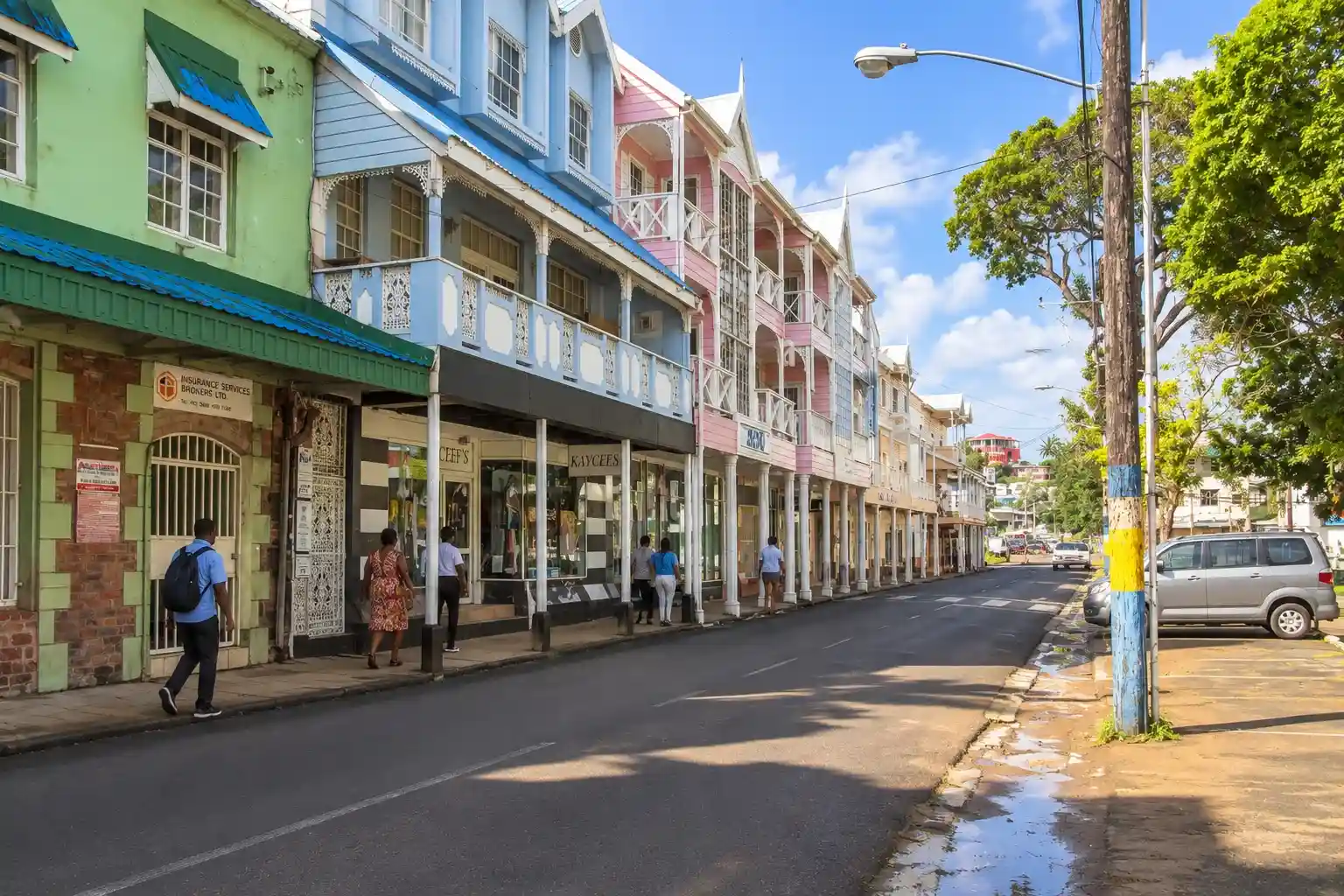
Walking out of the market and through the streets, market produce in hand, and thinking about the Zaboca Choka intended for dinner tonight. I found myself slowing down again to admire the architecture of this Caribbean city.
Buildings stood shoulder to shoulder, carrying traces of both French and British influence. Their facades were weathered but dignified, marked by decades of tropical rain, sea air, use and history. Some appeared to be lovingly restored. Others wore their age openly. Together they told a story of an island shaped by colonialism, resilience, reinvention, and survival.
History lingers differently in the Caribbean.
Perhaps because it remains so very visible.
It is not hidden behind museum glass. It is heard in the tongues of its people, tasted in the layered complexity of its cuisine, and witnessed in the effortless sway of waistlines moving to the thumping rhythms of island music.
Most beautifully, it endures in the way entire communities continue to carry traditions forward despite centuries of disruption, ensuring that the past remains not a memory, but a living part of everyday life.
This is the Caribbean I wish more people travel to find.
Not simply paradise, but identity.
The region is definitely an escape, a place where visitors arrive to temporarily disconnect from their lives. But go a bit deeper, a little beyond the turquoise water, white sand and rum punch balanced carefully against sunset skies, because while those things are beautiful, they have gradually become a kind of shorthand that reduces entire nations into scenery. The Caribbean is so much more.
Come for its literature, its architecture, its food, its craftsmanship, its intellectual life, its people, its stories.
A Region Rich in Heritage and Expression
Each island carries its own rhythm, history, dialects, influences, tensions, and traditions and its own achievements. The Caribbean has produced Nobel Prize-winning writers, internationally celebrated musicians, visionary architects, artists, designers, and thinkers whose influence extends far beyond these shores.
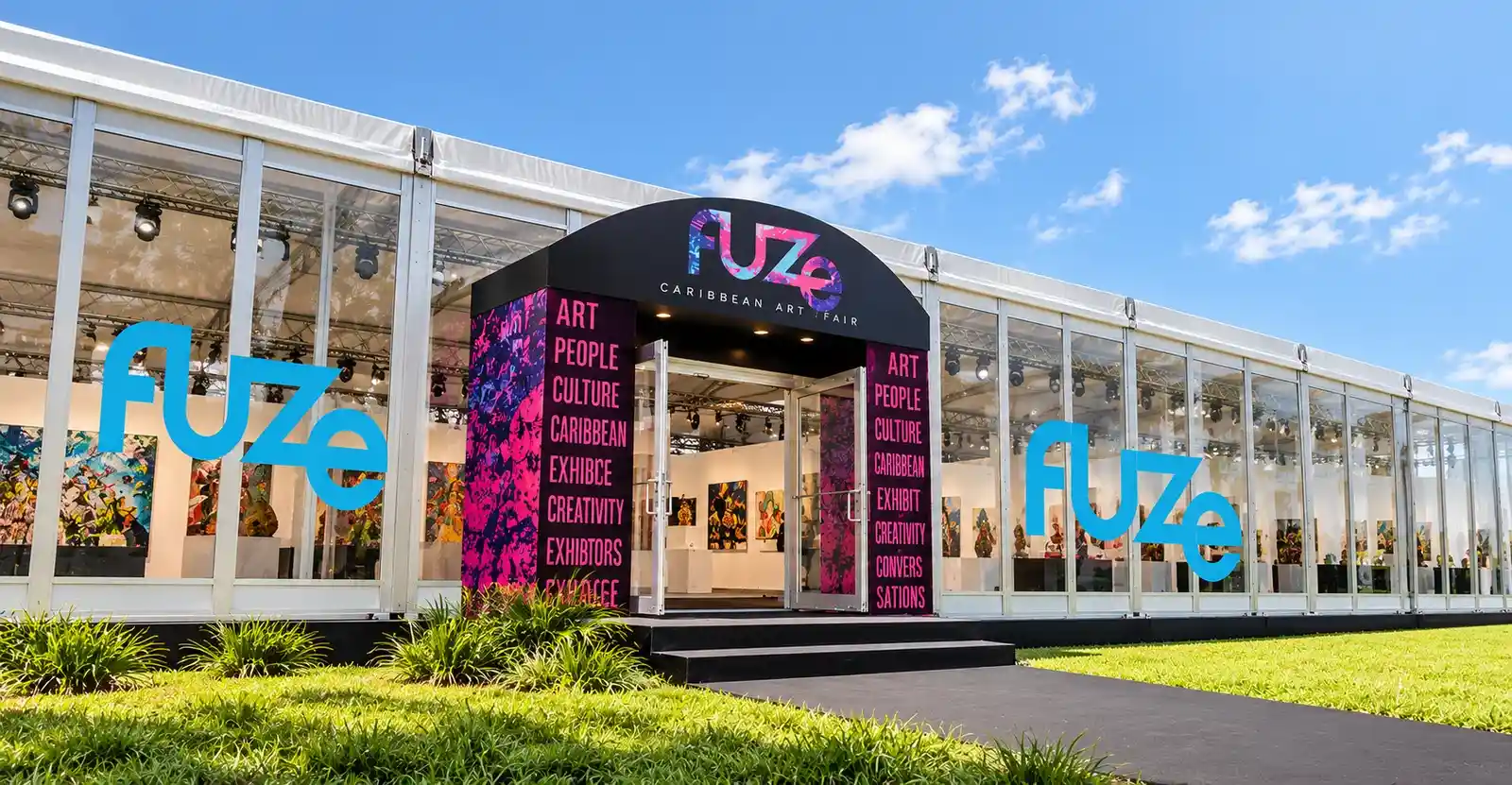
Around the world the Caribbean and its diaspora continue to shape conversations around identity, heritage, design, sustainability, creativity and culture. Within the Caribbean art galleries occupy historic buildings. Independent bookstores host readings and discussions. Musicians blend traditional sounds with contemporary influences. Chefs reinterpret recipes passed down through generations while simultaneously pushing Caribbean cuisine into exciting new territory. As highlighted in our recent feature on Caribbean tourism growth and community development, ensuring that local populations benefit directly from travel remains essential.
The region is a splendid force to be wholeheartedly experienced beyond what is widely advertised. For official island travel details and destination guides, travelers can explore the official Saint Lucia Tourism Authority platform.
Saint Lucia feels cinematic in its contrasts. Roads wind through dense rainforest before suddenly opening onto dramatic coastal views. Fishing villages painted in faded blues, greens, and yellows sit quietly beside the sea. Volcanic mountains rise unexpectedly behind neighborhoods where daily life unfolds with little concern for whether anyone is watching.
The famous Pitons dominate the horizon, but beneath their grandeur exists something equally compelling: ordinary life being lived with extraordinary richness.
Children walking home from school.
Elders sitting beneath verandas exchanging stories.
Fishermen preparing boats before sunrise.
Artists sketching quietly in corners most visitors never discover unless they seek.
Embracing Meaningful Journeys
The deeper I ventured into the island, the more I found myself paying attention to these smaller moments.
Perhaps because they felt like I had uncovered hidden treasure.
Because to me they revealed something essential.
Travel often encourages us to lose ourselves in search of freedom.
I have found that the freedom we seek is rarely discovered from the balcony of a luxury suite.
It is found out there, in unfamiliar streets, unexpected conversations, bustling markets, and quiet moments of discovery.
Wander beyond the itinerary.
The most meaningful journeys usually start where comfort ends, and curiosity begins.
So go…