Plans to repurpose the island’s former oil refinery could create new opportunities in maritime services, industry and sustainable energy, although investment and employment challenges remain.
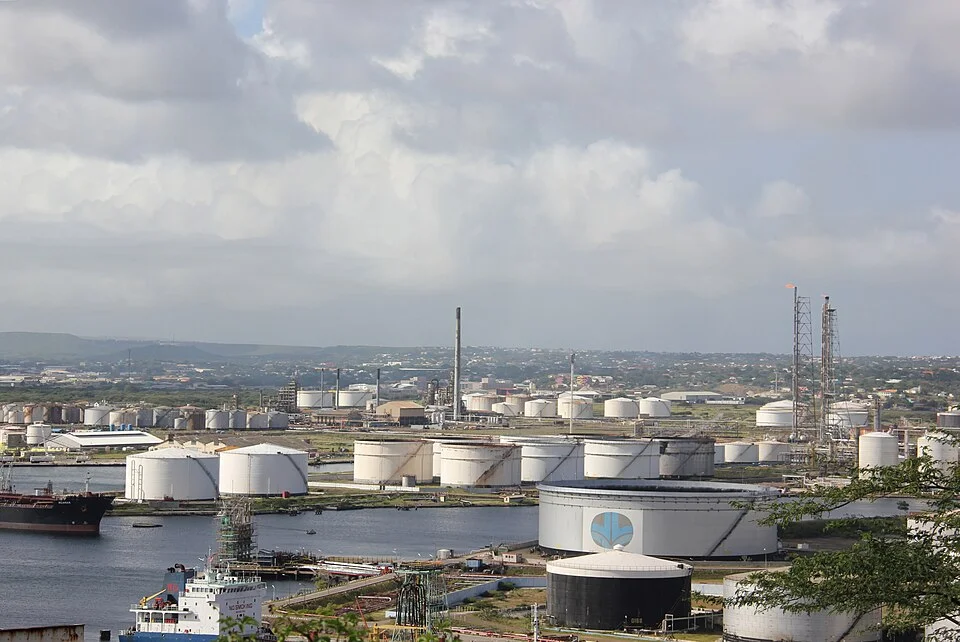
Curaçao is exploring a new economic future for its former oil refinery, with plans to transform the industrial complex into a centre for maritime services, energy-related activities and other businesses.
The redevelopment has received renewed attention during a November 2–5 visit by Dutch Minister Heleen Herbert, whose programme includes discussions with government and business representatives about economic development across Aruba, Curaçao and Bonaire.
Also Read: Africa and Caribbean Strengthen Fisheries Cooperation in New Agreement
In Curaçao, Herbert is being briefed on plans by development company 2Bays to repurpose the former refinery site for industrial activities, sustainable energy and businesses operating within a circular economy.
For an island whose economy was once closely connected to petroleum refining, the proposed transition represents an important change in direction.
Future Prospects for Curaçao Refinery Redevelopment
The former Isla refinery, located near Willemstad’s Schottegat harbour, was a major source of employment and industrial activity for decades. Beyond the refinery itself, businesses involved in transportation, maintenance, shipping and other services benefited from its operations.
However, attempts to restart traditional refining have faced difficulties, including ageing infrastructure, high operating costs and limited investor interest.
More recently, attention has shifted towards finding alternative commercial uses for the site.
According to Curaçao’s financial reporting, the emerging strategy focuses on activities such as petroleum storage, logistics, terminal operations and maritime services rather than restoring the refinery to its former scale.
In September, 2Bays chief executive Patrick Newton indicated that a traditional refinery would not return, with the company instead exploring opportunities involving specialised petroleum products, storage and shipping-related services as Curaçao does not intend to abandon the petroleum industry altogether. Some of the proposed activities would continue to involve oil and related products, although the island is seeking a broader range of commercial operations.
This approach could allow different businesses to use parts of the existing industrial infrastructure, reducing dependence on a single large refinery operator.
There are already indications of renewed activity at some facilities. Government reporting has pointed to commercial use of storage capacity at Bullenbaai and expanded maritime services at Emmastad, including ship repair.
Challenges Facing the Curaçao Refinery Redevelopment Plan
Still, the transition raises important questions about employment and the future of workers who previously depended on refinery operations.
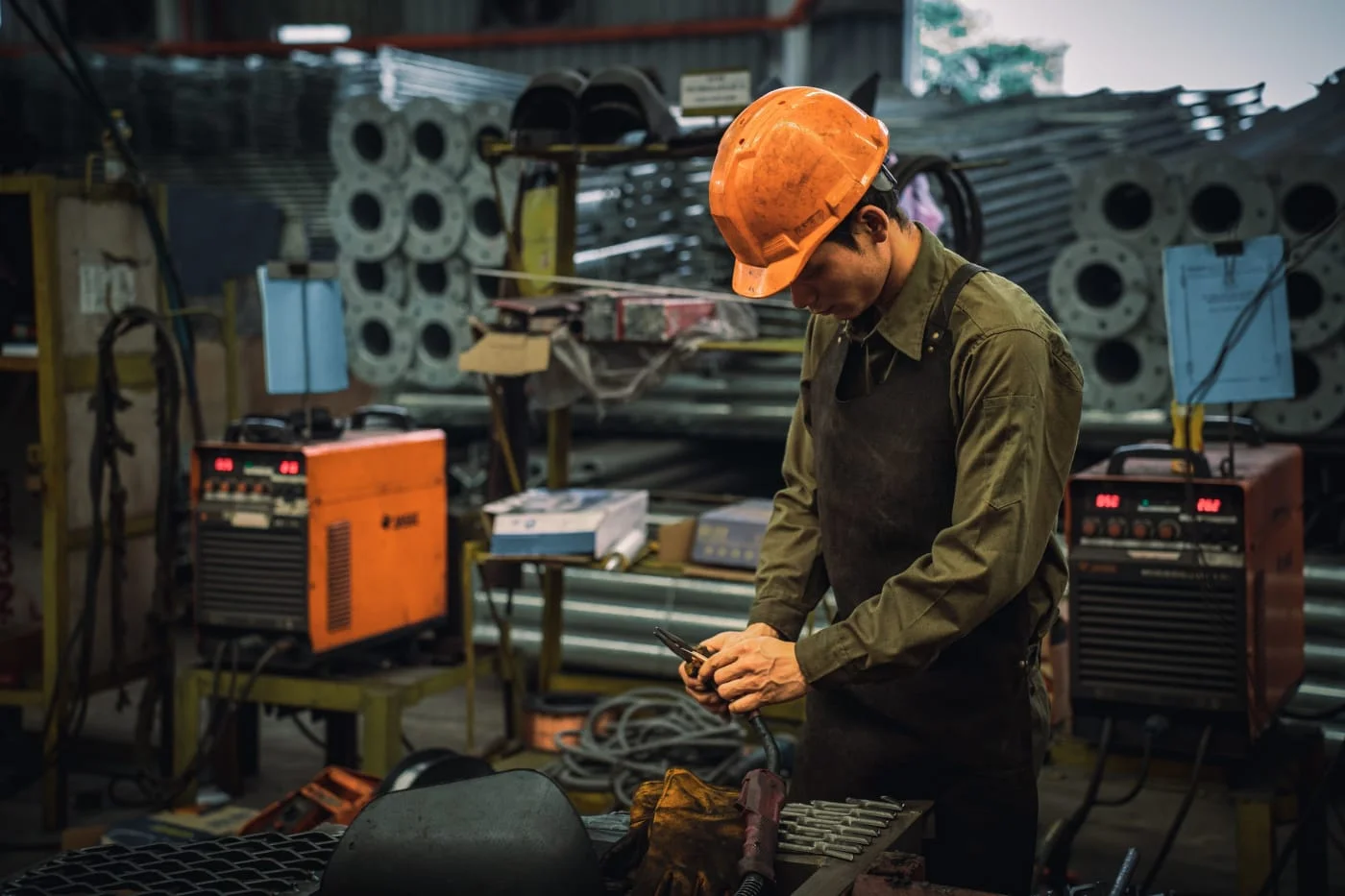
New activities in logistics, shipping and specialised industry may require different skills from those used in traditional refining. Government financial reporting has identified this potential mismatch as a challenge, highlighting the importance of training and workforce development.
Environmental concerns will also need attention. Decades of industrial use have left the site with infrastructure and environmental responsibilities that may require significant investment before some new activities can proceed.
The Dutch government’s announcement of Herbert’s visit also highlights the Economic Growth Platform Carib, an initiative intended to connect entrepreneurs with potential sources of investment capital.
However, no new financing package or confirmed redevelopment timetable was announced as part of the visit’s published programme.
For Curaçao, the challenge now is turning redevelopment plans into viable businesses capable of creating employment and supporting long-term economic growth.
The former refinery remains an important industrial asset, but its future will depend on attracting credible investors, managing environmental obligations and ensuring that new economic activity benefits the wider community.
The island’s transition is therefore about more than finding another use for an old refinery. It is about building a more diverse economy while making the most of the infrastructure and experience left behind by an industry that once helped define Curaçao.