A new agreement between Caribbean and African fisheries organisations could open the door to greater cooperation in an industry that plays an important role in food security, employment and the livelihoods of thousands of families across the region.
The Caribbean Regional Fisheries Mechanism (CRFM) and the Ministerial Conference on Fisheries Cooperation among African States Bordering the Atlantic Ocean (ATLAFCO/COMHAFAT) have signed a memorandum of understanding aimed at strengthening sustainable fishing, aquaculture, scientific research and the management of marine resources.
Announced in early November, the agreement brings together two regions separated by the Atlantic Ocean but connected by many of the same concerns about the future of their fisheries industries.
Also Read: Could the Caribbean Become a Global Leader in Sustainable Development?
For the Caribbean, the significance of this partnership extends beyond international cooperation. Fishing remains an important part of everyday economic life in many coastal communities, supporting not only those who work at sea but also fish vendors, processors, transport operators, restaurants and other small businesses that depend on a reliable supply of seafood.
When fisheries are poorly managed or marine resources come under pressure, the effects can extend throughout these communities, affecting household incomes, local businesses and access to food.
The implementation of this landmark Caribbean fisheries agreement offers an opportunity for Caribbean and African institutions to share knowledge and develop approaches to challenges that neither region can address entirely on its own.
One of the central areas of cooperation is the management of fish stocks and efforts to address illegal, unreported and unregulated fishing.
For legitimate fishing operators, illegal activity can create an uneven playing field. Vessels operating outside established rules may exploit marine resources without observing the same requirements as those who comply with licensing, reporting and conservation measures.
There are also wider environmental concerns. Without reliable information about fishing activity and the condition of fish stocks, authorities can struggle to determine whether resources are being harvested sustainably.
The agreement creates opportunities for cooperation in monitoring, surveillance, training and the exchange of technical expertise.
For Caribbean fisheries authorities, access to improved information and management practices could help them make more informed decisions about protecting marine resources while supporting the people who depend on them.
Another area of interest is the use of digital technology.
Electronic catch reporting, better fisheries statistics and systems that track seafood from harvesting through processing and distribution could improve the information available to regulators and businesses.
For consumers, seafood traceability can provide greater confidence about where fish comes from and how it enters the market. For producers, reliable records may help demonstrate compliance with food safety and market requirements.
However, technology must also be practical for the people expected to use it. Small-scale fishers may have limited access to equipment, reliable internet connections or the training needed to operate new systems. Any future programmes will need to account for those realities if the benefits are to reach fishing communities rather than remain largely administrative.
This is an Opportunity to Strengthen Food Security
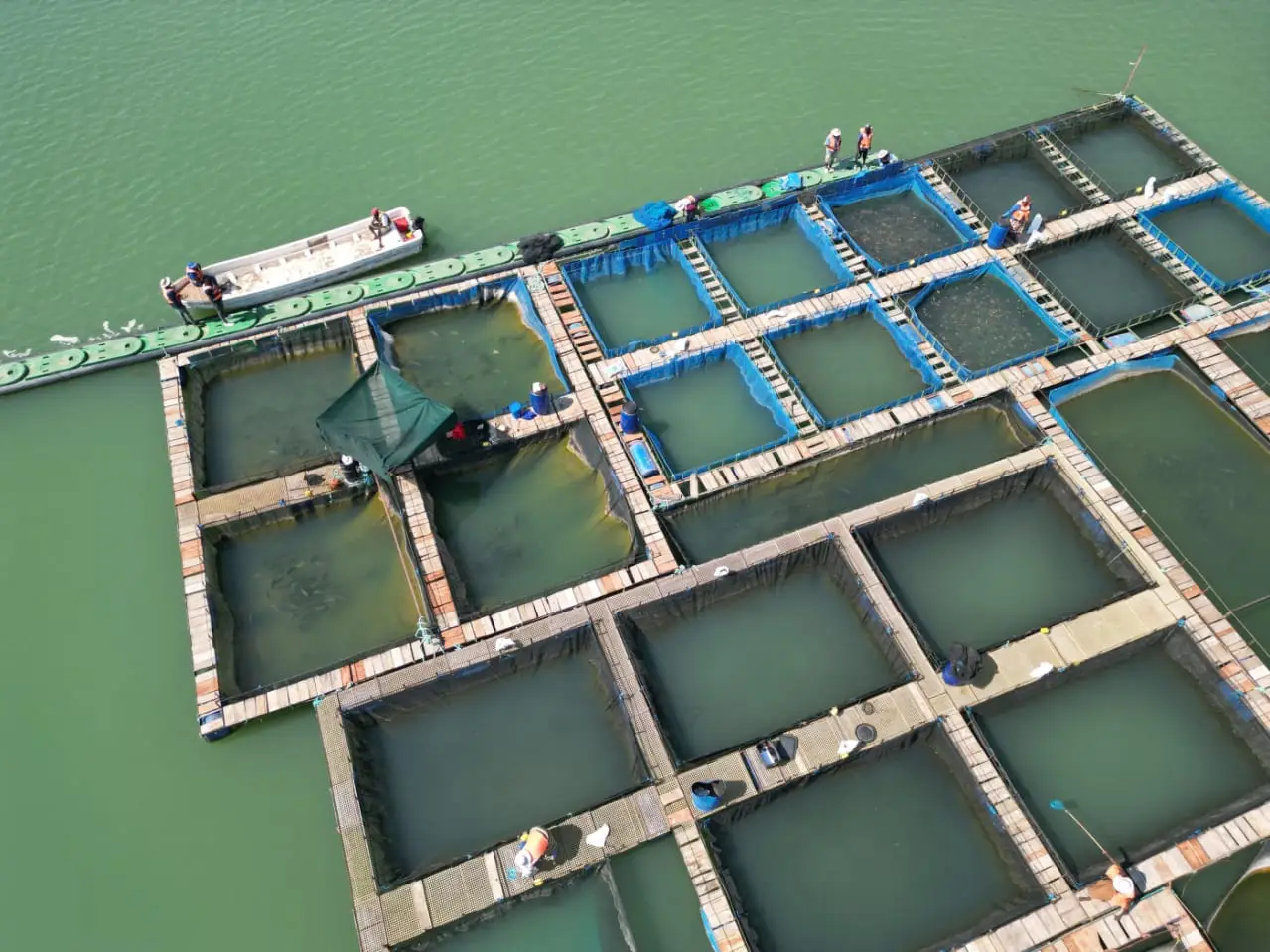
The agreement also places attention on aquaculture, the farming of fish and other aquatic organisms.
For Caribbean countries seeking to strengthen local food production, aquaculture offers one possible avenue for expanding seafood supplies alongside traditional fishing.
Developing the sector, however, requires technical knowledge, suitable infrastructure, investment and careful environmental management. Fish farming can face challenges involving disease, water quality, feed costs and the suitability of production systems.
Cooperation with African partners could provide opportunities to exchange experience in these areas, particularly where countries are working to develop production methods that can withstand changing environmental conditions.
The partnership also addresses seafood safety, market development and stronger links between different parts of the fisheries industry.
These are important considerations for a region where improving food security involves more than increasing production. It also means ensuring that food can be handled safely, transported efficiently and made available to consumers at prices they can afford.
Cooperation With Africa Is A Good Opportunity
Although the Caribbean and Africa have different economic circumstances and marine environments, their fisheries sectors face several comparable pressures.
Coastal communities in both regions must balance the need to earn a living from the sea with the responsibility to protect marine resources for future generations.
Both also have an interest in strengthening scientific research, improving fisheries monitoring and finding ways to make ocean-based industries more resilient to climate change.
ATLAFCO represents 22 African countries along the Atlantic coast, from Morocco to Namibia. Through the partnership, Caribbean institutions could gain access to a wider network of researchers, technical specialists and fisheries professionals.
This could support joint studies, training opportunities, professional exchanges and the sharing of technologies suited to developing economies.
There is also potential for collaboration on sargassum, the seaweed that has become a recurring problem for parts of the Caribbean.
Large accumulations can affect beaches, coastal activities and marine environments, creating difficulties for fishing and tourism communities. The agreement identifies sargassum monitoring, research and possible commercial uses among the areas for future cooperation.
Bringing together scientific expertise from both sides of the Atlantic could contribute to a better understanding of the problem and help participating countries explore practical responses.
The Next Steps for the Caribbean Fisheries Agreement
Despite the opportunities outlined, the agreement should not be mistaken for the launch of a funded programme.
The memorandum establishes a non-binding framework for cooperation. It does not automatically provide financing, equipment or new fisheries infrastructure.
Instead, the two organisations may develop specific projects, identify areas where assistance is needed and approach development partners or financial institutions for support.
Annual or multi-year work programmes are expected to guide the partnership, identifying priorities, responsibilities and anticipated results, with progress reviewed at least once a year.
The agreement provides for an initial three-year term, taking effect upon signature and completion of the organisations’ respective internal approval procedures, and may be renewed by mutual written agreement.
Its success will ultimately depend on what happens beyond the signing ceremony.
For a fisherman operating from a small coastal village, the value of international cooperation will not necessarily be measured by the number of agreements signed. It will be reflected in whether fisheries become better managed and useful technology and training become accessible. Then perhaps, the industry can provide a more secure livelihood for all involved.