The Caribbean is often described in mild terms: a zone of peace, a neutral region, a collection of small states far removed from the world’s great struggles. This framing is comforting, but is it accurate?
The Caribbean has never existed outside of power politics. Its history, geography, and resources have ensured the opposite. From colonial conquest to Cold War militarization, the region has long been shaped by the ambitions of larger states. What has changed over time is not the Caribbean’s exposure to global power struggles, but the way it has learned to survive them.
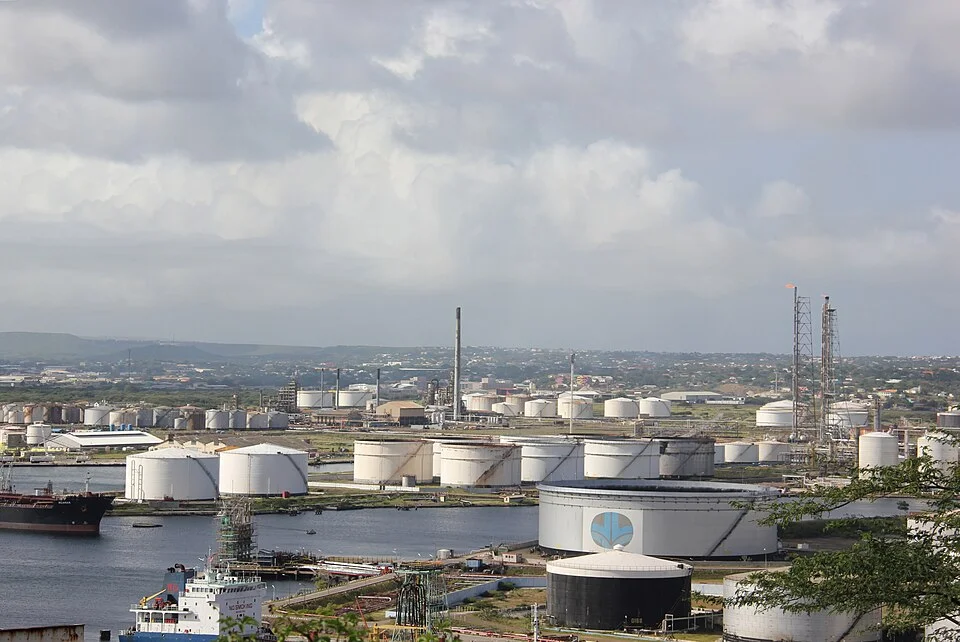
That reality was brought into sharper focus during the tensions surrounding Venezuela, when the country’s vast oil reserves and strategic position drew renewed attention to the competing interests of global powers, including the United States, China, and Russia. What appeared, on the surface, to be a confrontation between nations reflected a deeper struggle involving regional security, energy, political influence, and strategic positioning in the Western Hemisphere.
Venezuela’s oil has long been an important part of this picture. The country possesses some of the world’s largest proven petroleum reserves, and China has become a major purchaser of its crude oil. Russia, meanwhile, has maintained political, military, and energy ties with Caracas. For the United States, developments in Venezuela have involved concerns ranging from regional security and drug trafficking to political influence and economic interests. These relationships are not identical, nor can the actions of each government be explained by oil alone. Nevertheless, their competing interests created an uneasy environment in which the Caribbean found itself uncomfortably close to the center of international tensions.
Also Read: Antigua and Barbuda Tests Technology That Could Change How Caribbean Homes Use Water
For Caribbean states, proximity has never been theoretical. Venezuela lies just off the coast of Trinidad and Tobago. Energy ties, migration flows, and security concerns are immediate and deeply intertwined. As tensions between Washington and Caracas escalated during 2025, the repercussions extended beyond the two capitals, reaching Caribbean governments, diplomatic discussions, and public debate.
The growing American military presence in the southern Caribbean brought these concerns into sharper focus. Washington presented its operations as part of its campaign against drug trafficking, while Venezuela accused the United States of threatening its sovereignty. By December 2025, the escalating confrontation had reached the United Nations Security Council, where concerns were raised about the consequences for regional peace and security.
The situation escalated further on January 3, 2026, when the United States carried out military action in Venezuela. The development underscored just how quickly tensions involving a powerful state and its regional neighbour could move beyond diplomatic confrontation.
Regional Unity and Geopolitical Realities in Caribbean Diplomacy
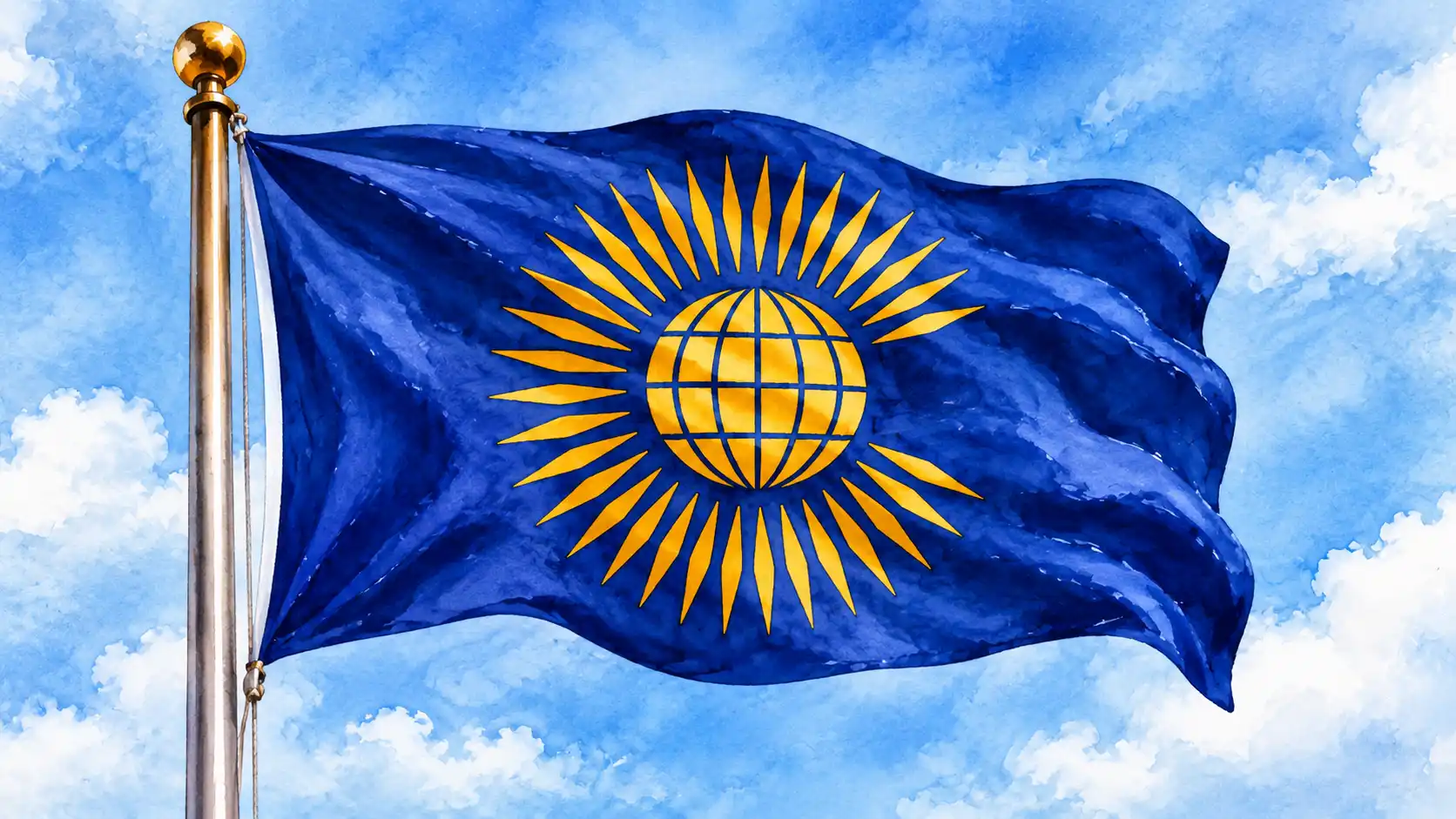
These events also exposed differences within CARICOM itself. In October 2025, the Community’s leaders reaffirmed their commitment to maintaining the Caribbean as a zone of peace and resolving disputes through dialogue. Trinidad and Tobago, however, reserved its position on the joint statement, illustrating the difficulty of reaching a common response when national interests and security calculations differ.
These differences were not necessarily signs of weakness; they reflected the reality that Caribbean states do not share identical vulnerabilities, dependencies, or strategic priorities. The events also demonstrated that regional unity, however valuable, cannot always eliminate disagreements over how best to respond to powerful international partners.
The idea of the Caribbean as a zone of peace is an important commitment in Caribbean diplomacy, but it is not a guarantee that conflict will never reach the region. Nor does it erase historical truth. European powers fought bitterly for control of the islands. During the Second World War, territories such as Trinidad and Tobago hosted foreign military bases, not by coincidence but by design, valued for their location, infrastructure, and access to shipping lanes. The Caribbean has long been a staging ground for larger ambitions.
Caribbean leaders understand that their states operate within clear limitations. Small populations, narrow economic bases, and reliance on external trade and security partnerships constrain the range of available choices. Dependence on larger powers, whether for energy, aid, investment, or defence, is not a moral failing but a structural reality.
This is why Caribbean diplomacy often appears careful, even restrained. Decisions are made not on the basis of ideological alignment alone, but through assessments of long-term stability. Maintaining good standing with powerful partners is not about submission; it can be about ensuring continued access to markets, protection from economic shocks, and space to govern domestically.
At the same time, Caribbean governments must respond to pressures from within. Venezuelan migration has placed demands on social services and stirred complex public sentiment in parts of the region, although the experiences of individual countries and communities have differed. For some, the challenge has involved balancing compassion for people seeking safety and opportunity with concerns about limited resources and public services. These human consequences remind us that foreign policy decisions are never entirely distant; they arrive at the level of everyday life.
What is frequently misunderstood by external observers is that Caribbean states are not passive actors caught unaware by global forces. Within these governments are experienced negotiators operating in an unequal system, where understanding shifts in power and adjusting accordingly can be essential. Quiet diplomacy and strategic ambiguity can be deliberate approaches to protecting national interests when the available choices are limited.
To survive between giants requires more than moral clarity; it requires balance. The Caribbean’s challenge is not simply to choose sides, but to preserve sovereignty in a world where power is unevenly distributed. That often means moving carefully, speaking selectively, and prioritizing endurance over spectacle.
The tensions surrounding Venezuela offered another reminder of a reality the Caribbean has confronted throughout its history. As global competition continues to influence energy politics, economic relationships, and diplomatic alliances, the region will remain exposed to pressures from powers far larger than itself. Yet history suggests that its greatest strength may lie in understanding its own position: possessing influence and value, while remaining aware of its limitations and deliberate in its choices.
Caught between giants, the Caribbean does not drift aimlessly. It navigates, with caution, memory, and an acute awareness that survival itself demands strategy.