The Caribbean has no shortage of sunshine, wind or other natural resources that could help power its future. Yet for many countries across the region, generating electricity still depends heavily on fuel purchased from overseas, leaving economies vulnerable whenever international energy prices rise.
It is a challenge the Caribbean Community (CARICOM) wants member states to address through greater investment in renewable energy and more reliable electricity infrastructure.
In a message marking the start of CARICOM Energy Month on November 1, Secretary-General Dr. Carla Barnett encouraged regional governments and their partners to move beyond discussions and make measurable progress towards energy systems that are more affordable, sustainable and resilient.
This year’s observance, held under the theme Harnessing Energy, Advancing Resilient Development, draws attention to the connection between energy and the region’s wider economic future.
Also Read: Whitehall’s Future Raises Questions About Heritage Preservation in Trinidad and Tobago
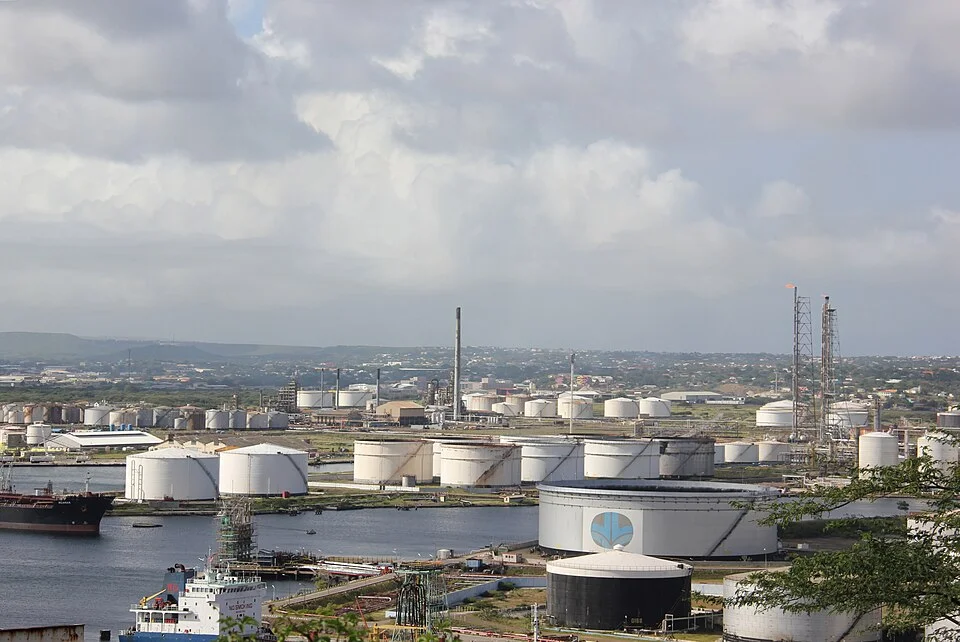
For countries that import much of the fuel used to generate electricity, changes in international oil prices can place additional pressure on national finances and the cost of doing business. Those pressures can eventually reach households through electricity charges and the prices of everyday goods and services.
Developing more of the region’s own energy resources could help reduce some of that dependence.
CARICOM Renewable Energy Transition and Infrastructure Challenges
CARICOM has identified opportunities in solar, wind, hydroelectric, geothermal, biomass and marine energy. However, the availability of these resources does not automatically mean they can be used efficiently or affordably.
Electricity networks must be upgraded to accommodate new sources of power, while energy storage systems are needed to help maintain supply when renewable generation fluctuates. Infrastructure must also be designed to withstand hurricanes and other disruptions that can leave communities without electricity.
Barnett acknowledged that conventional fuels will continue to play an important role as countries gradually expand their use of cleaner energy.
The transition, therefore, is not simply a matter of replacing existing power stations. It involves investment, technical expertise, careful planning and cooperation between governments, businesses, financial institutions and communities.
There are also economic opportunities to consider. Developing CARICOM renewable energy industries could create demand for engineers, technicians, construction professionals and other skilled workers, while reducing expenditure on imported fuel may allow countries to retain more foreign exchange.
CARICOM’s latest appeal does not announce a new regional funding package or guarantee lower electricity prices. Instead, it reinforces the need to turn existing energy ambitions into practical investments that produce measurable results.
For a region increasingly concerned with climate resilience, energy security is about more than how electricity is generated. It is also about whether homes, hospitals, schools and businesses can depend on power being available when they need it.
As CARICOM Energy Month gets underway, an important question to tackle is how quickly regional countries can translate their renewable energy potential into systems that make everyday life more secure and affordable.